
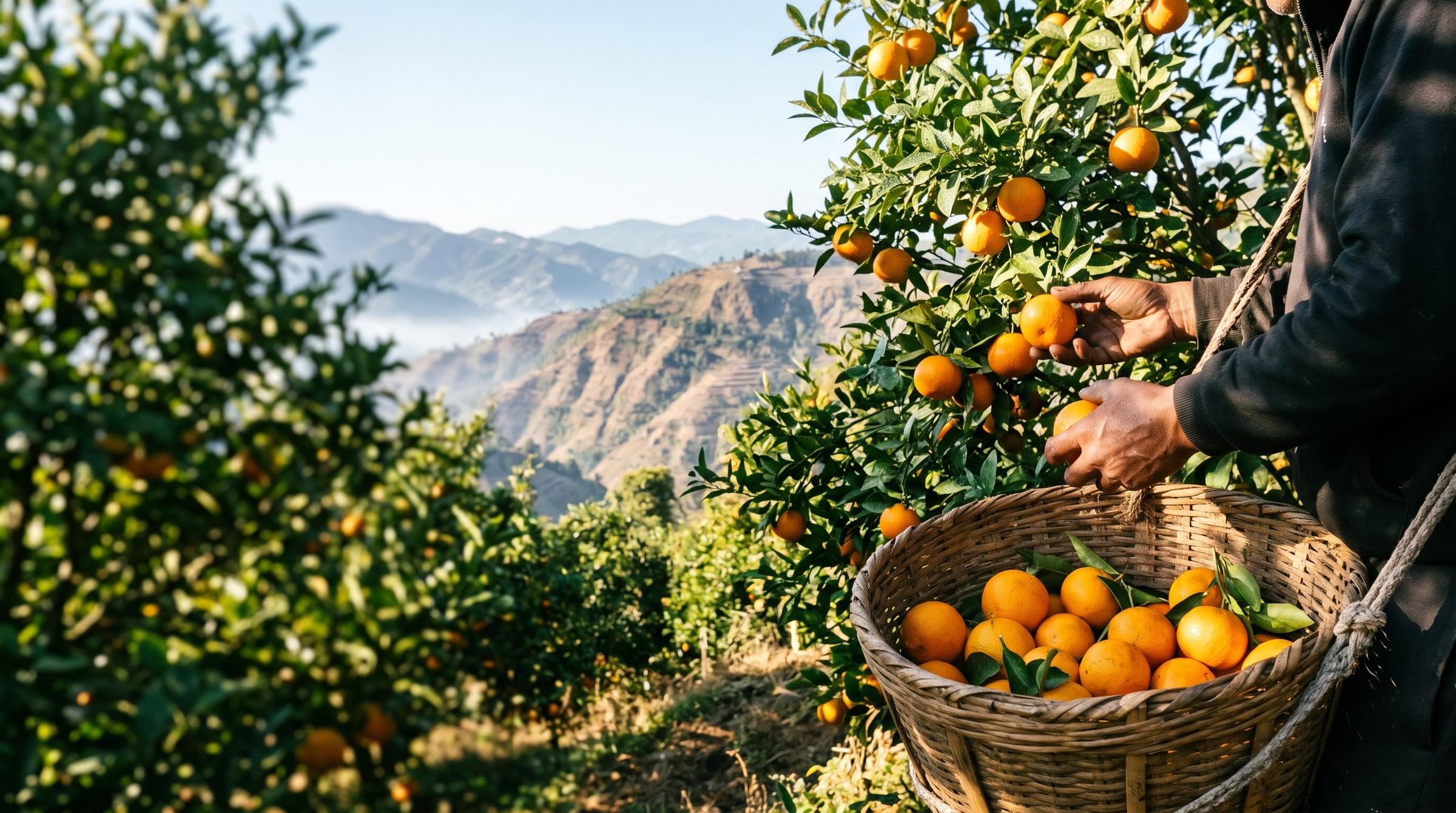
Nepal's harvest, kept fresh all year.
We buy from Nepali farmers at harvest, keep each crop in a cold room set up for it, and supply retailers, wholesalers and institutions all year round.
Backed by Bhatbhateni Group (BBSM)(opens bbsm.com.np in a new tab)
In season now: Oranges and junar are at their best, the apple season closes, and potatoes and carrots arrive from Uttar Pradesh and Punjab.
See how we workNepal's six seasons
Nepal's traditional calendar has six seasons, each two Bikram Sambat months long. Choose one to see what is being harvested.
Basanta वसन्त
Chaitra and Baishakh
mid-March to mid-May
The first Terai mangoes arrive in Baishakh, while grapes and pomegranates come in from Maharashtra.
See where we sourceGrishma ग्रीष्म
Jestha and Ashadh
mid-May to mid-July
Mango season peaks from Siraha and Saptari to Banke, with garlic from Shandong and dates from Gujarat and Rajasthan.
See where we sourceBarsha वर्षा
Shrawan and Bhadra
mid-July to mid-September
The last mangoes meet the first apples from Mustang, Humla, Jumla and Manang, while walnuts and raisins arrive from Xinjiang.
See where we sourceSharad शरद्
Ashwin and Kartik
mid-September to mid-November
Oranges ripen in Syangja, Gorkha and other hill districts, junar in Sindhuli and Ramechhap, and apples are still coming in from Jumla and Mustang.
See where we sourceHemanta हेमन्त
Mangsir and Poush
mid-November to mid-January
In season now
Oranges and junar are at their best, the apple season closes, and potatoes and carrots arrive from Uttar Pradesh and Punjab.
See where we sourceShishir शिशिर
Magh and Falgun
mid-January to mid-March
The citrus season ends in Magh, and potatoes, carrots, grapes and pomegranates from India carry the market into spring.
See where we sourceBacked by Bhatbhateni Group(opens bbsm.com.np in a new tab)
Agrivastu was incorporated in 2021 and is backed by Bhatbhateni Group. Our team of 30+ people works across the corporate office, cold stores and retail sales.
Why fresh food needs cold storage
Nepal imports more than Rs. 400 billion of agricultural products every year, and the figure keeps rising. At the same time, an estimated 25–35% of fresh produce is lost after harvest because of weak storage and logistics. Better cold-chain capacity lets local produce reach the market in season and out of season.
Our story- agricultural imports a year
- Rs. 400 billion+agricultural imports a year
- of fresh produce lost after harvest (estimate)
- 25–35%of fresh produce lost after harvest (estimate)
Source: Agrivastu project study
From farm to consumer
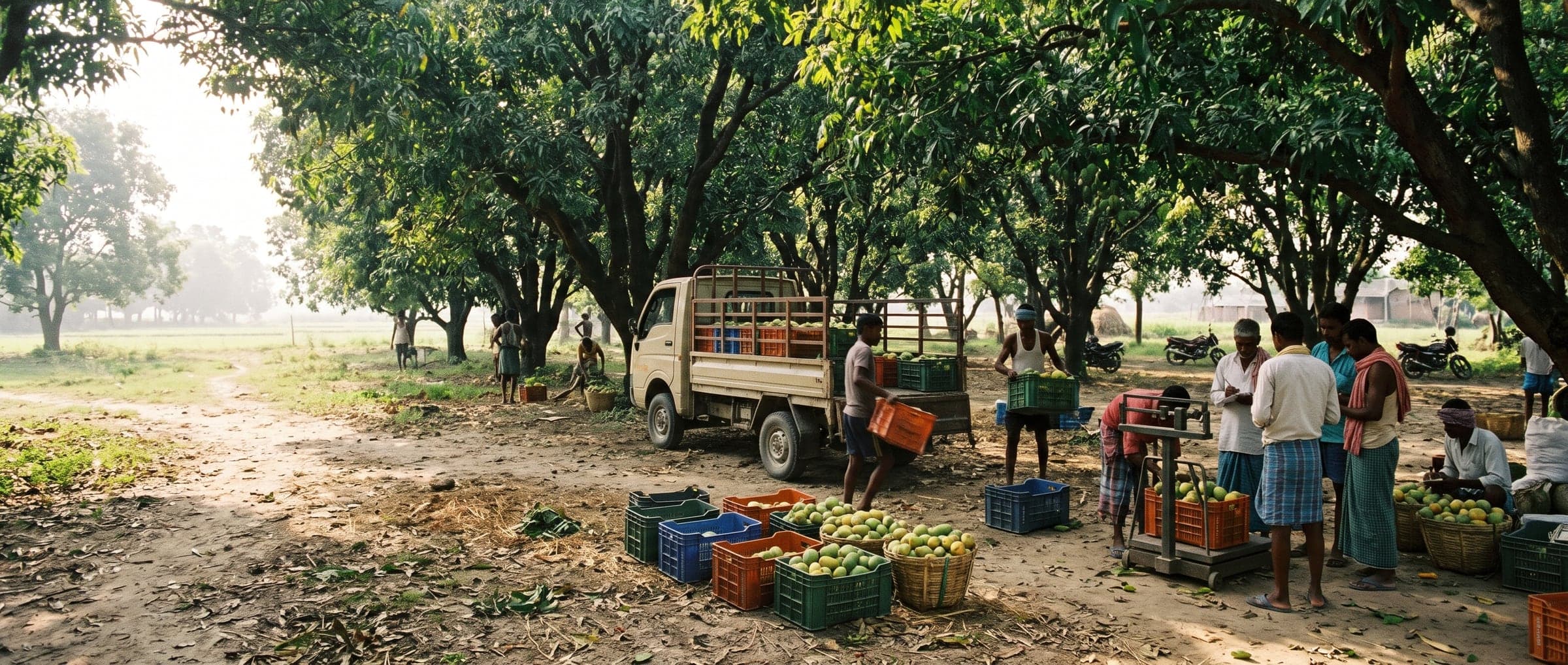
1Source
Right product, right season, from Nepali production pockets and trusted partners in India and China.
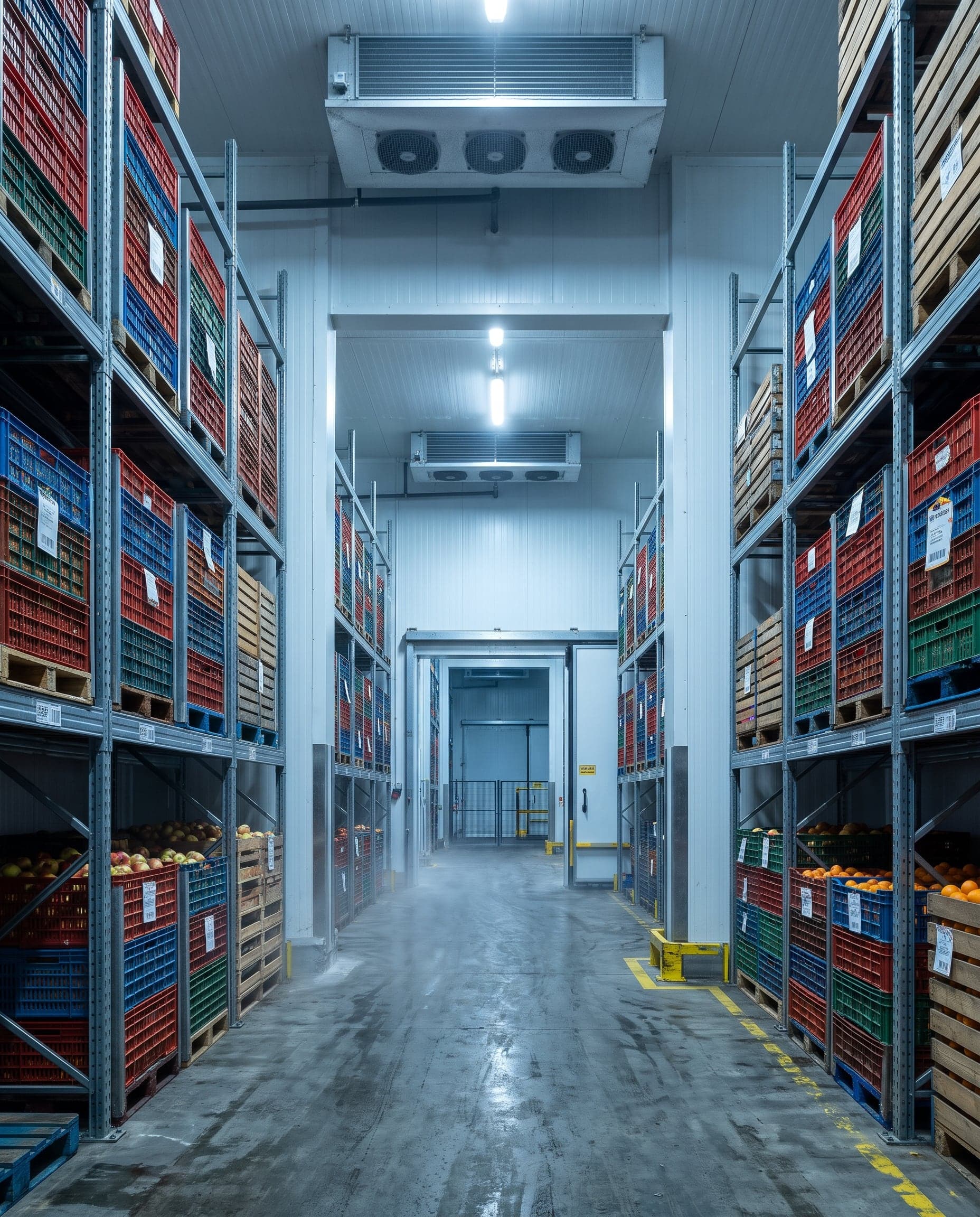
2Store
Multi-chamber, modified-atmosphere and frozen storage matched to each commodity.
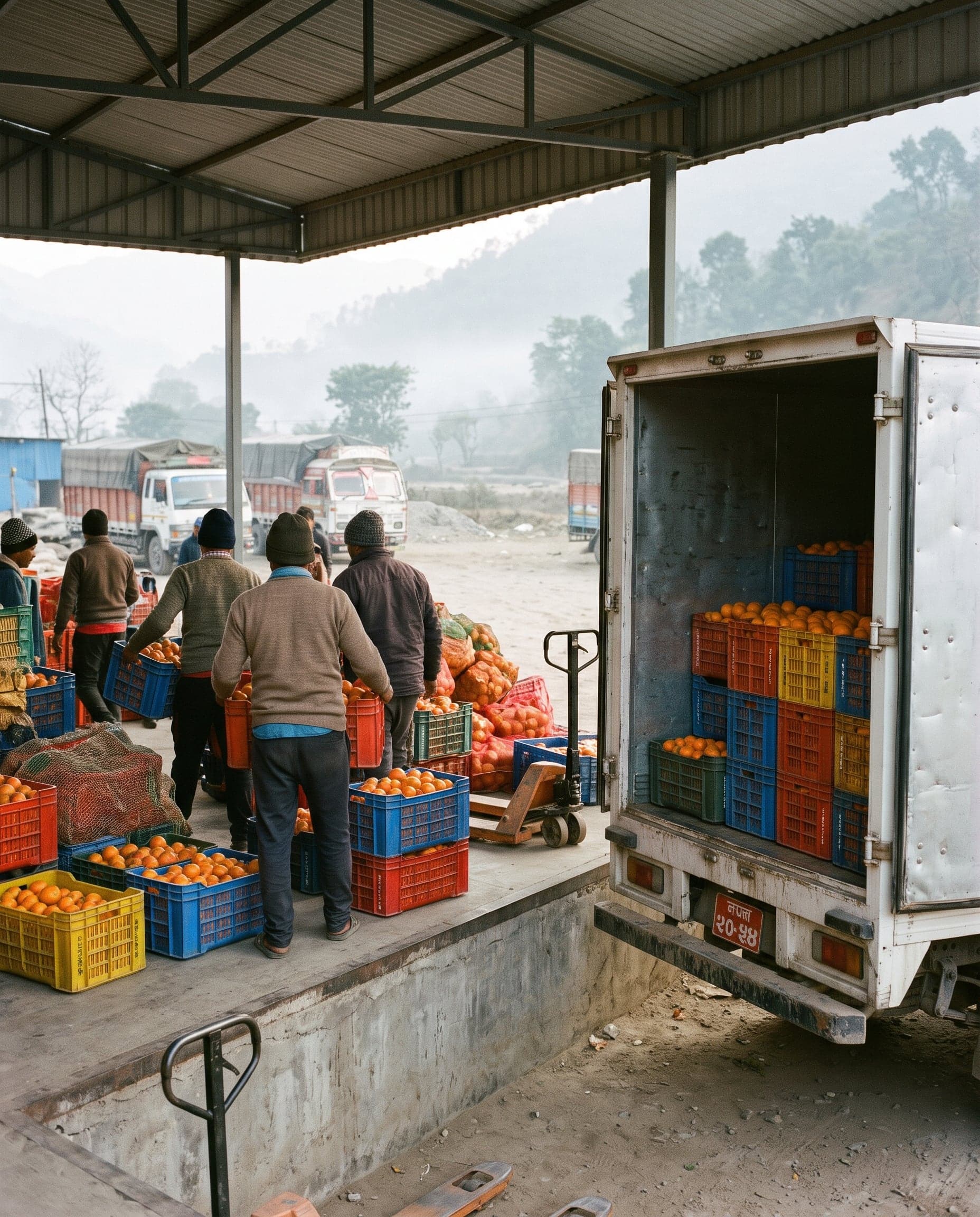
3Supply
Sorting, grading and reliable year-round supply to retail, wholesale and institutional customers.
3,500 MT today, 10,000 MT more in Chitwan
Our cold stores in Kapilvastu and Kathmandu are operating now. A 19-chamber facility in Tandi, Chitwan is under construction, with civil works and equipment installation in progress.
2,500 MT
Kapilvastu
Operating1,000 MT
Kathmandu (Jadibuti)
Operating10,000 MT
Tandi, Chitwan
Under development
A year-round range
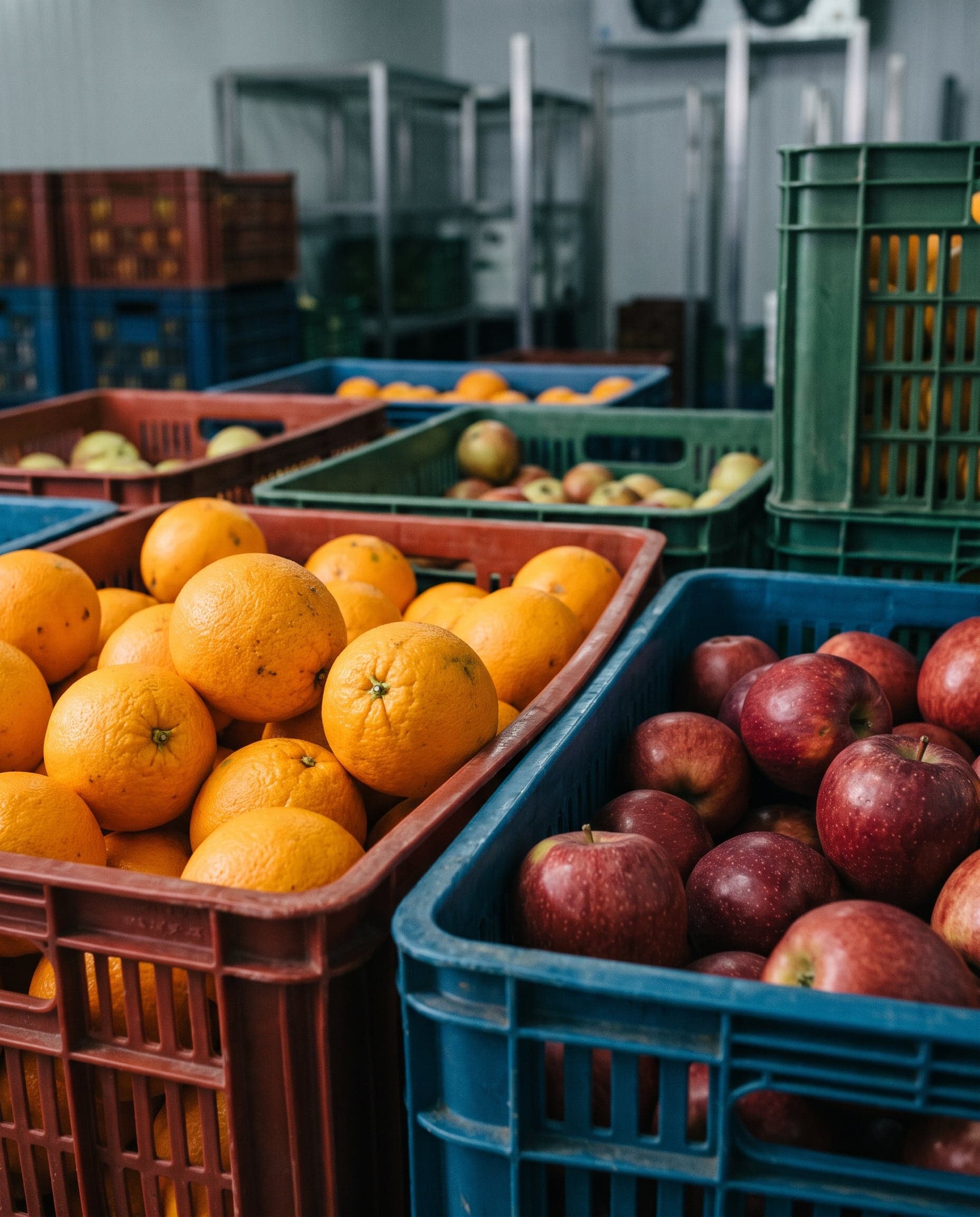
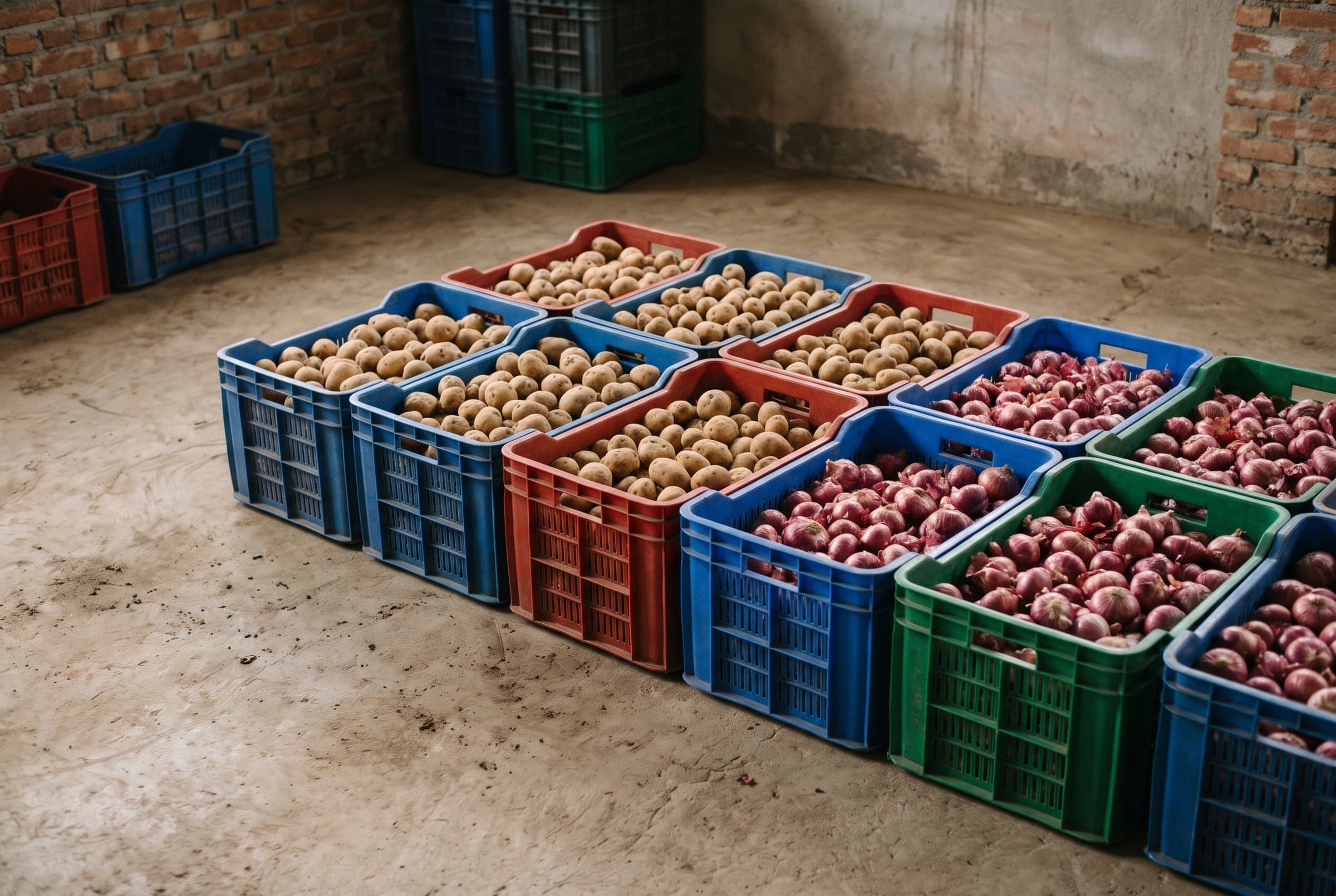
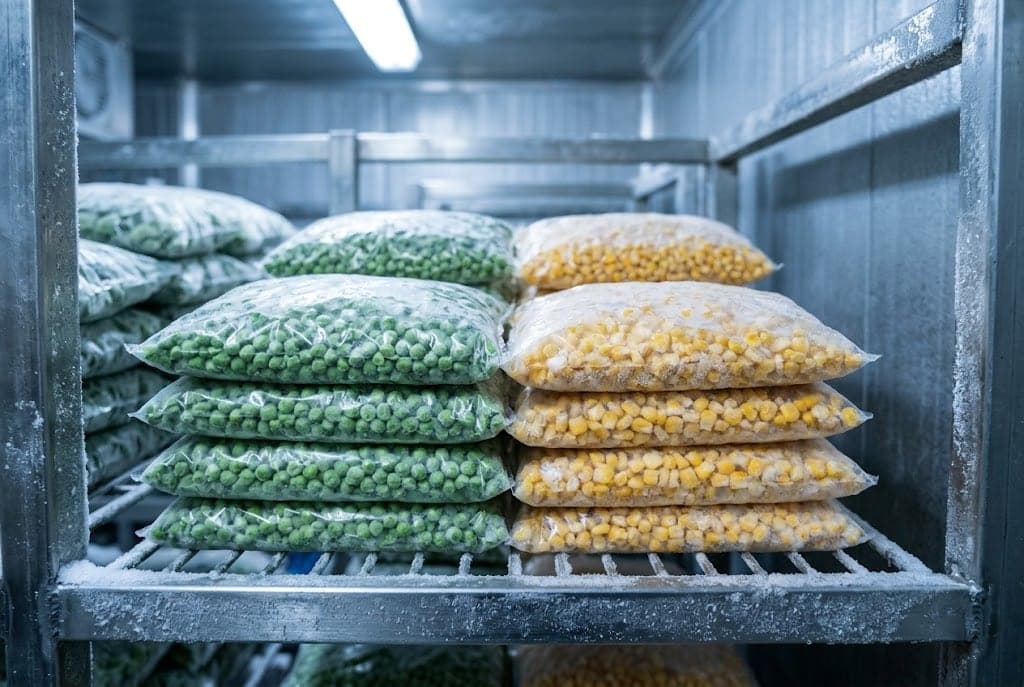
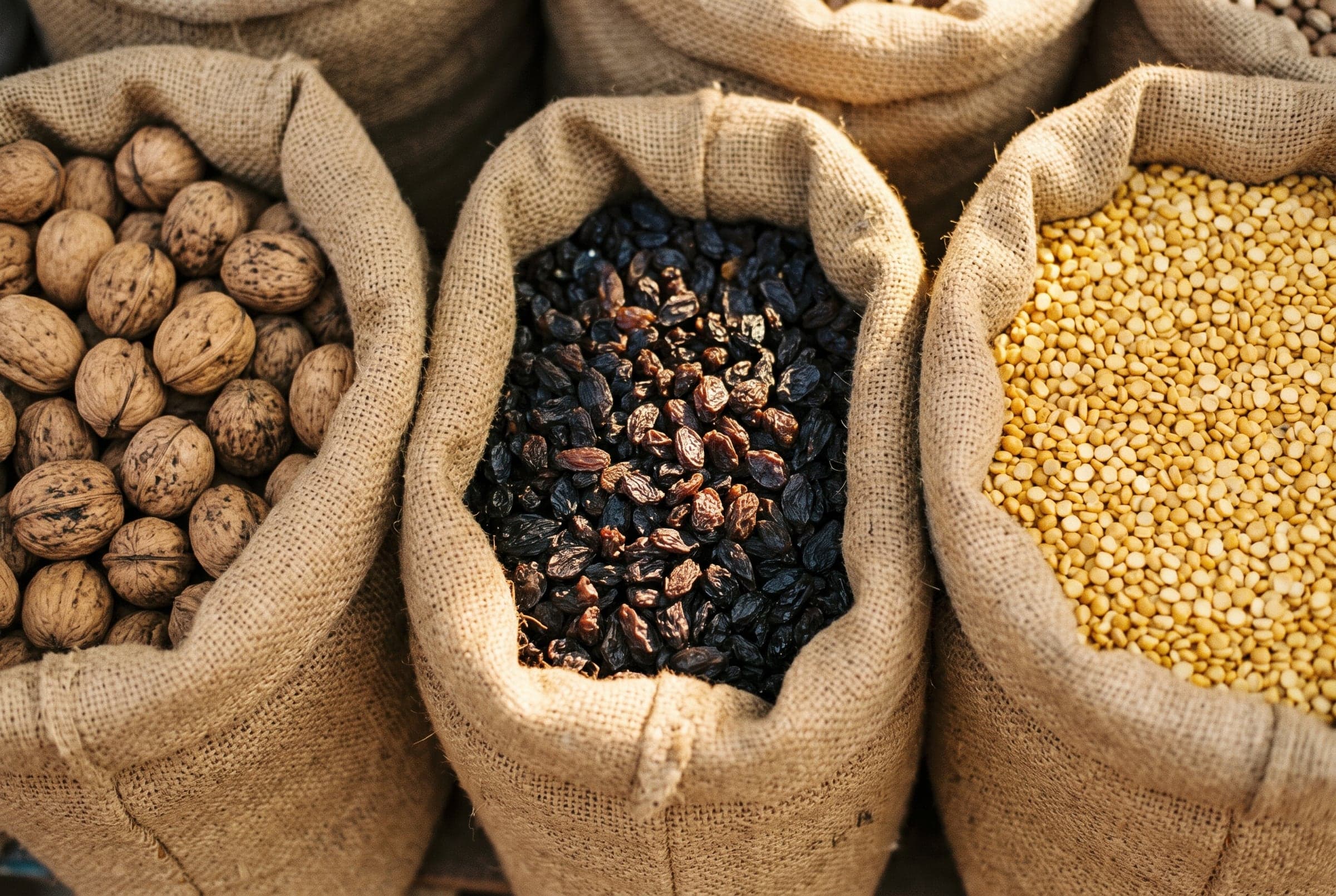
Fruit, vegetables, frozen foods, nuts, pulses and grains, sourced in season and stored to keep their quality.
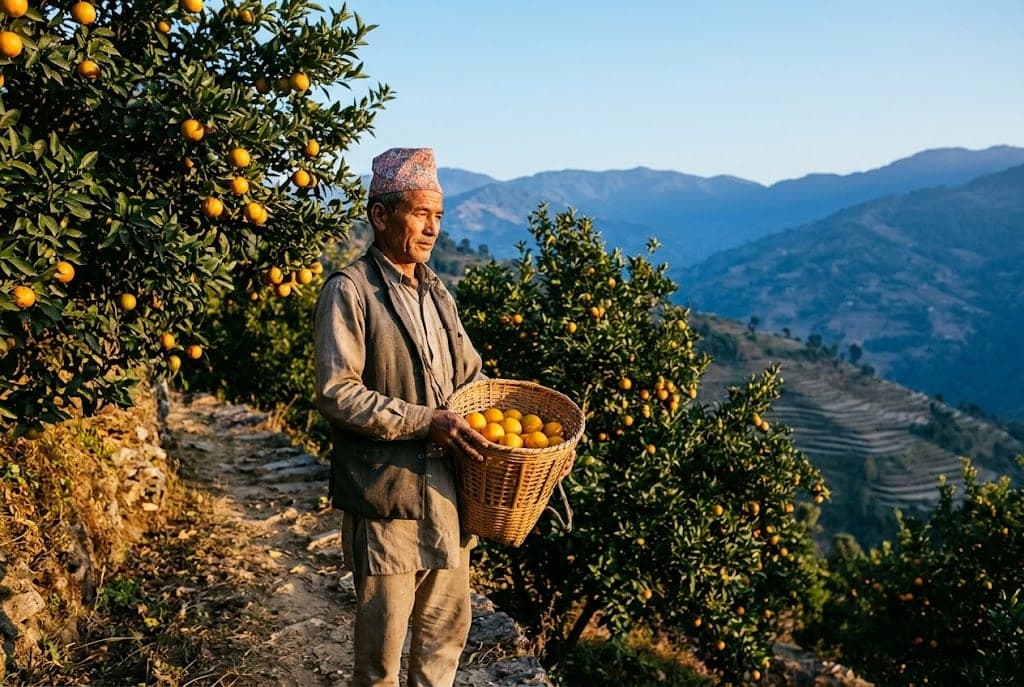
We agree to buy before the harvest
Agrivastu gives priority to local produce and works with growers in pocket areas across Nepal. Buying is planned with farmers ahead of the season, so they can sell in season at a fair price instead of making distress sales.
- Assured purchase and pricing
- Technical support
- Crop selection
- Collective farming
- Access to finance
- Storage that pays
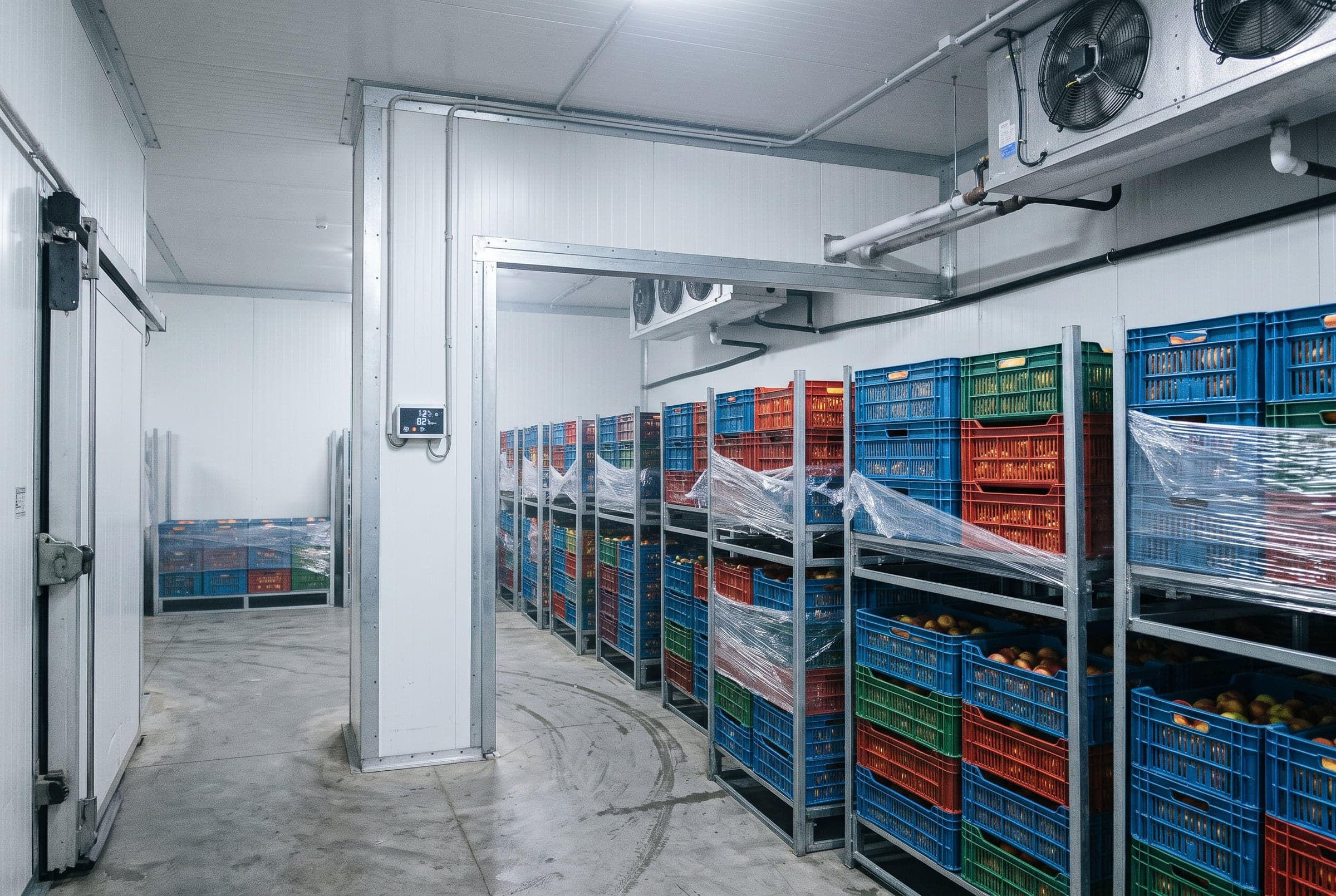
Every chamber controlled, monitored and backed up
Modified atmosphere control
Temperature, humidity, CO₂, oxygen and ethylene managed per chamber.
SCADA monitoring
Online control and central data logging of every chamber.
Fire-safe insulated panels
Air-tight, fire-retardant PUF panels faced with PPGL steel, with XPS floor insulation.
Redundant refrigeration
Standby compressors and automatic generator (DG set) backup.
Crate and rack storage
Uniform airflow and load, with mechanised handling.
Ripening and reheating
Dedicated rooms for onion, mango and other commodities.
Common questions
See all questionsWhere is cold storage available in Nepal?
Agrivastu operates cold stores in Kapilvastu, near the Sunauli customs point and the East-West Highway, and at Jadibuti in Kathmandu. A third facility is under development in Tandi, Chitwan.
See our facilitiesWhat is modified-atmosphere cold storage?
It is cold storage that controls more than temperature. Each chamber also manages humidity, CO₂, oxygen and ethylene to suit the crop inside it, which helps fresh produce keep its quality for longer.
What are the six seasons of Nepal?
Nepal's traditional calendar has six seasons (ritu), each two Bikram Sambat months long: Basanta (Chaitra and Baishakh), Grishma (Jestha and Ashadh), Barsha (Shrawan and Bhadra), Sharad (Ashwin and Kartik), Hemanta (Mangsir and Poush) and Shishir (Magh and Falgun).
See what comes in each seasonHow can I sell my harvest in Nepal to a cold storage company?
Tell Agrivastu what you grow, your district and when you expect to harvest. Volumes and pricing are agreed with you ahead of the harvest, and the team advises on harvest timing, curing, grading and handling before receiving your produce. Farmer groups and cooperatives are welcome.
Sell your harvest to usWhat products can I buy from Agrivastu?
Fruits (apple, mango, orange, junar, pomegranate, grapes, dates), vegetables (potato, onion, garlic, ginger, carrot, tomato, lemon), frozen foods (fish fillets, french fries, green peas, sweet corn), and nuts, pulses and grains.
See the range